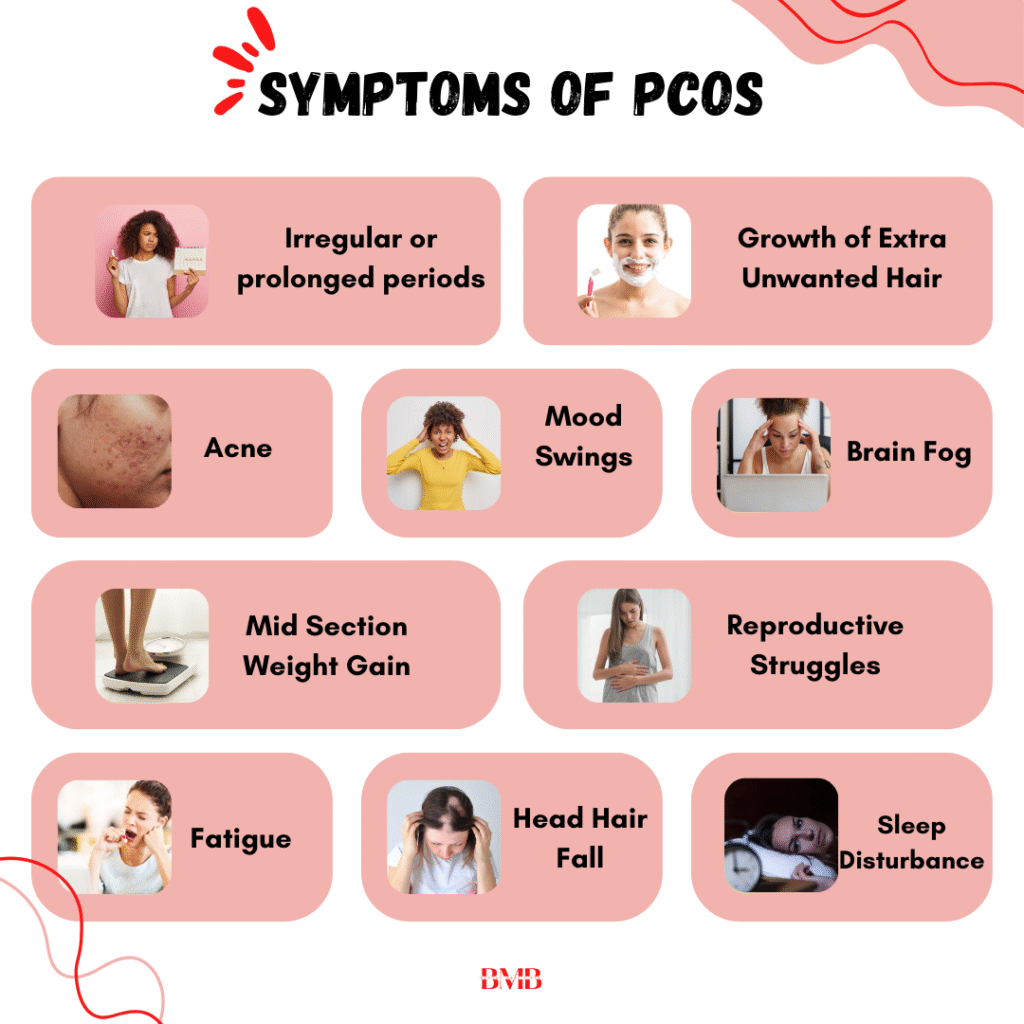

Polycystic Ovary Syndrome (PCOS) is one of the most common hormonal conditions, affecting about 1 in 10 women and people with ovaries worldwide. Yet, it is also one of the most underdiagnosed. Many live with symptoms for years before getting answers.
Why? Because the early signs of PCOS are often dismissed as “just stress,” “teenage hormones,” or “part of being a woman.”
But early recognition matters. The sooner PCOS is diagnosed, the sooner you can manage symptoms, protect your long-term health, and advocate for yourself with healthcare providers.
Here are some early signs of PCOS you shouldn’t ignore:
1. Irregular or Missing Periods
This is one of the most common red flags. According to the Oxford dictionary, a cycle is a series of events that are regularly repeated in the same order. So for us, this means that every phase of the menstrual cycle should be repeated within the same time frame monthly, now when this fails to happen, your period is considered irregular. For instance, You may have fewer than 8 periods a year, cycles longer than 35 days, no periods at all, or periods in which the cycle dates are inconsistent.
While stress, travel, or weight changes can affect your cycle occasionally, chronic irregularity may signal PCOS and should be checked out by a medical professional.
2. Excess Hair Growth (Hirsutism)
Women with boobs and beards are not new occurrences. Unwanted hair growth on the face, chin, chest, stomach, or back is a hallmark of PCOS. It is caused by higher levels of androgens (“male” hormones) and sometimes, people dismiss it as “genetics.”
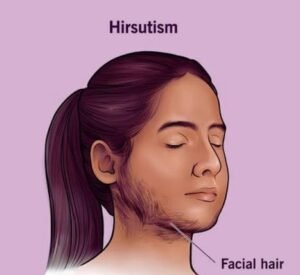
As a Nigerian living in Nigeria, this feature is mostly seen on women of the Igbo tribe and termed as a mark/sign of wickedness. This is ignorance at its peak as truthfully, it’s mostly just hormonal. If it’s new or worsening, it may be wise to follow up with a health care professional for diagnosis.
3. Thinning Hair on the Scalp
In contrast with our previous point, while excess hair may grow on the body, scalp hair can thin or fall out (a pattern sometimes called “female-pattern baldness”). Again, sometimes we blame this on hair care products, poor hair care or genetics. Whereas, this happens due to androgen sensitivity in hair follicles.
This change can be emotionally distressing, especially in cultures where a woman’s hair is deeply tied to beauty and identity. If you notice unusual or worsening hair loss, it’s worth seeking medical advice. Early intervention whether through lifestyle changes, supplements, or medical treatment can help slow down the process and improve confidence.
4. Acne and Oily Skin
The year was 2022, my age was 25. As a teen, I never dealt with acne so I did not expect it to happen in my adult years. It was cystic, severe and did a number on my self confidence. PCOS-related acne often appears along the jawline, chin, or lower face. Mine was everywhere but my eyeballs. It took a lot of research to understand what was happening to my body at the time and how to rectify it.
While acne does occur as a part of puberty in teenage years, PCOS acne can come at any time; you’re never entirely safe. It can be severe, persistent, and resistant to typical skincare routines so please visit a dermatologist for proper diagnosis and treatment. DIY is not a good idea.
5. Unexplained Weight Changes
Many with PCOS struggle with weight gain, especially around the abdomen. It can also be full body and a puffy face. So, this isn’t just about lifestyle as PCOS is closely linked to insulin resistance, which makes it harder to lose weight even with healthy eating and regular exercise. Insulin resistance could also make you endlessly hungry. Weight changes in PCOS are not a reflection of laziness or lack of discipline. They are part of the condition itself. If you notice persistent changes in your weight that don’t match your lifestyle, it’s worth talking to a healthcare professional for evaluation.
6. Difficulty Getting Pregnant
For adult women, PCOS is one of the leading causes of infertility because it often disrupts regular ovulation. Without consistent egg release, it can be harder to conceive.
If your cycles are irregular and pregnancy isn’t happening despite trying, PCOS could be playing a role. This can be emotionally draining, especially in cultures where women are pressured about marriage and childbearing.
Thankfully, infertility with PCOS is not absolute. Many women go on to have healthy pregnancies, sometimes naturally and other times with medical support. Understanding the root cause is the first step toward finding the right treatment and options.
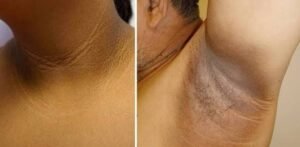
7. Darkening of Skin (Acanthosis Nigricans)
Have you ever noticed dark, velvety patches on your neck, armpits, or around your groin that don’t wash off no matter how much you scrub? Many people mistake this for “dirt” or poor hygiene, but in reality, it’s often a sign of insulin resistance which as we’ve mentioned is a key feature of PCOS. Instead of feeling ashamed or scrubbing harder, it’s important to understand that these patches may be your body’s way of signaling a hormonal imbalance.
8. Mood Changes and Mental Health Struggles
Anxiety, depression, and mood swings are more common in people with PCOS. This is partly due to hormonal imbalances, and partly due to the emotional toll of dealing with symptoms like acne, weight changes, or fertility concerns.
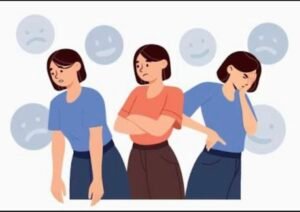
For many, these feelings can intensify around menstruation, when hormone shifts are most pronounced. Unfortunately, this side of PCOS is often overlooked, yet it deeply affects daily life and overall well-being. Seeking support whether through therapy, lifestyle adjustments, or simply opening up to a trusted friend can make a big difference. Mental health is just as important as physical health in managing PCOS.
9. Constant Fatigue and Brain Fog
If you’re always feeling drained despite getting enough rest, it may not just be “laziness” or stress. PCOS-related insulin resistance and hormonal imbalances can leave you feeling persistently tired.
Many also experience brain fog – struggling to concentrate, forgetting things easily, or feeling mentally “slowed down.”
Because fatigue is such a common complaint, it’s often dismissed, but in PCOS it’s a very real symptom. If tiredness feels unrelenting even after good sleep and self-care, it’s worth mentioning to your doctor.

10. Irregular Bleeding Patterns
This is different from irregular periods as irregular periods deal with cycle dates while bleeding patterns deal with your flow rate. Women with PCOS may experience very heavy flow when they do get them, some may spot lightly for weeks, some may get heavy periods in one month and significantly light periods the next. All are worth investigating.
Why You Shouldn’t Ignore These Signs
PCOS is more than a reproductive issue. It is linked to long-term health risks such as:
- Type 2 diabetes
- Heart disease
- Endometrial cancer
- Sleep apnea
- Depression and anxiety
Early detection means earlier management; whether through lifestyle changes, medication, or support systems.
What To Do If You Suspect PCOS
- Track your symptoms: Note period patterns, skin changes, hair growth, mood, and energy.
- See a doctor: Ask about blood tests (hormone levels, insulin, thyroid) and a pelvic ultrasound.
- Don’t self-diagnose: Other conditions can mimic PCOS. Only a professional can confirm.
- Advocate for yourself: Many people face dismissal when reporting symptoms. Go prepared with notes.